Health, safety, and wellbeing
One of Belron’s key priorities is developing and maintaining a positive safety, health, and wellbeing culture. Keeping our people safe and well is at the heart of doing business responsibly; it is vital not only for their wellbeing but also because it enables them to deliver exceptional service to our customers.
Our ambitions
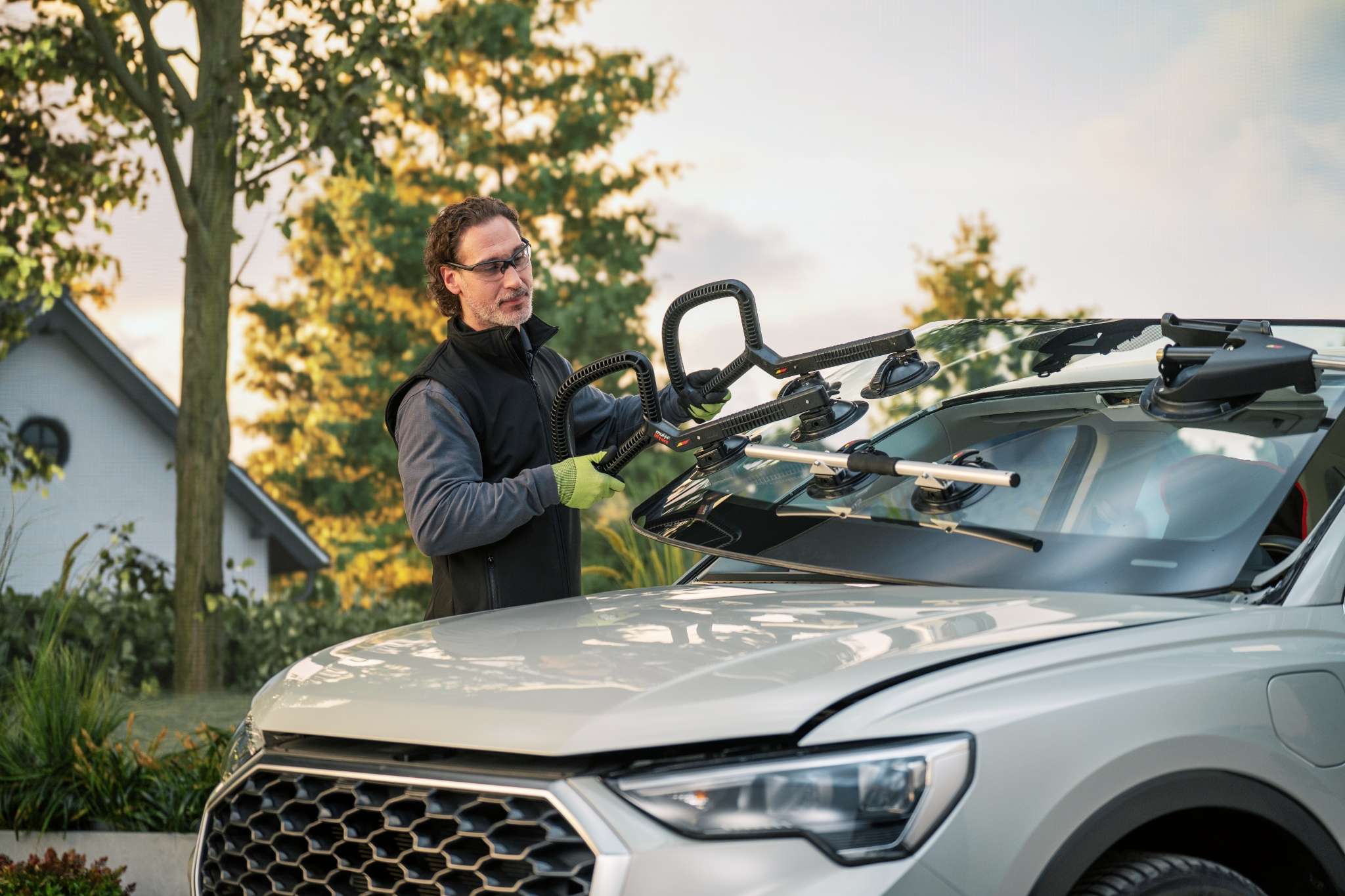
Our ambition is to achieve a zero-harm environment for colleagues, customers, contractors, and visitors, ensuring everyone returns home safely every day.
This helps to ensure we keep our workforce engaged and remain an employer of choice, attracting and retaining top talent.
For 2026, our goal is to further reduce the Lost Time Injury Frequency Rate (LTIFR) compared with 2025.
Summary of progress
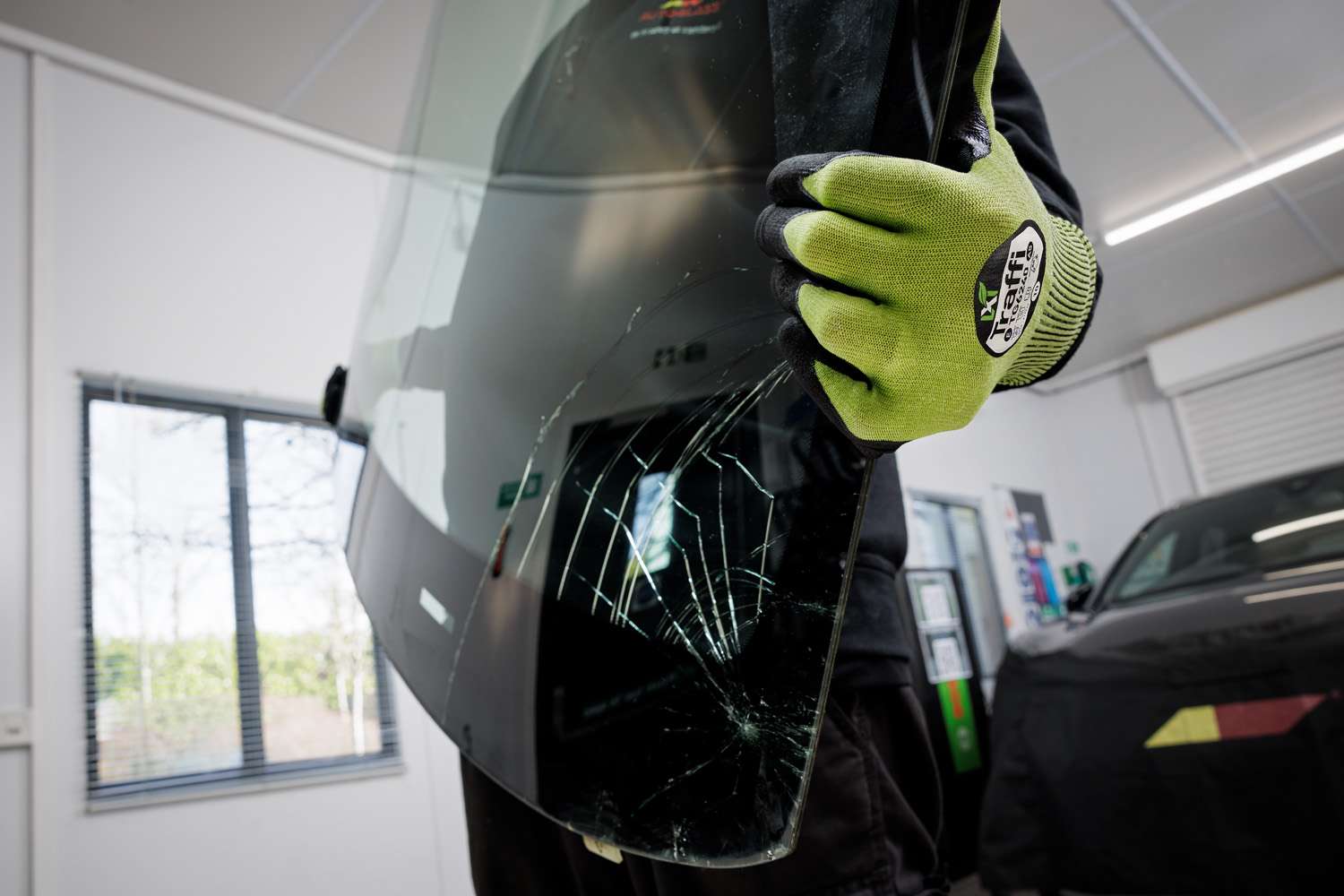
We continue to introduce safer tools, as well as enhanced training, strengthened compliance, upgraded PPE specifications, and new, safer working methods across our businesses.
These actions, alongside our Belron Safety, Health, and Wellbeing (SHW) Global Standards, have helped build awareness, capability, and compliance, laying the foundation for a sustained improvement in safety performance.
In 2025, we saw a solid reduction in our safety performance metrics, with LTIFR (Lost Time Injury Frequency Rate) down by 28% and the number of lost time accidents falling from 1,039 to 752.
Improved training and standards
To strengthen safety culture and reduce risk, we have introduced a global safety training programme that every new employee must complete when joining Belron.
We also provide driver safety training for all colleagues and have begun implementing driver tracking in many countries to monitor and encourage safe driving practices.
Alongside our existing Global Safety Standards, we added two more: a Driver Safety Standard and an Environmental Management and Compliance Standard, further embedding safety and sustainability into how we operate.
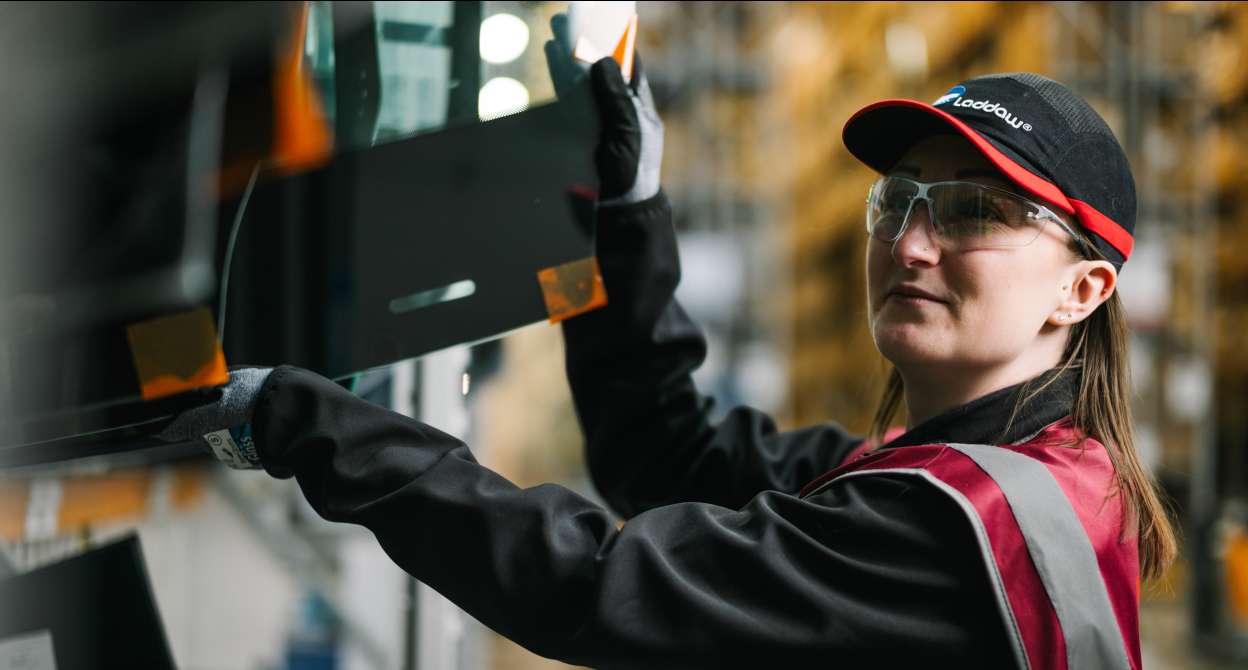
To tackle musculoskeletal injuries we partnered with a global leader in ergonomics to introduce bespoke manual handling training for all technicians, warehouse teams and distribution colleagues, based Olympic weightlifting techniques, a risk assessment of the Belron Way of Fitting, and daily field tasks.
Almost all of our businesses have completed the initial 'train-the-trainer' manual handling learning, which will be rolled out to all technicians during 2026.
This reinforces our commitment to reducing injury risk through education and safer working practices.
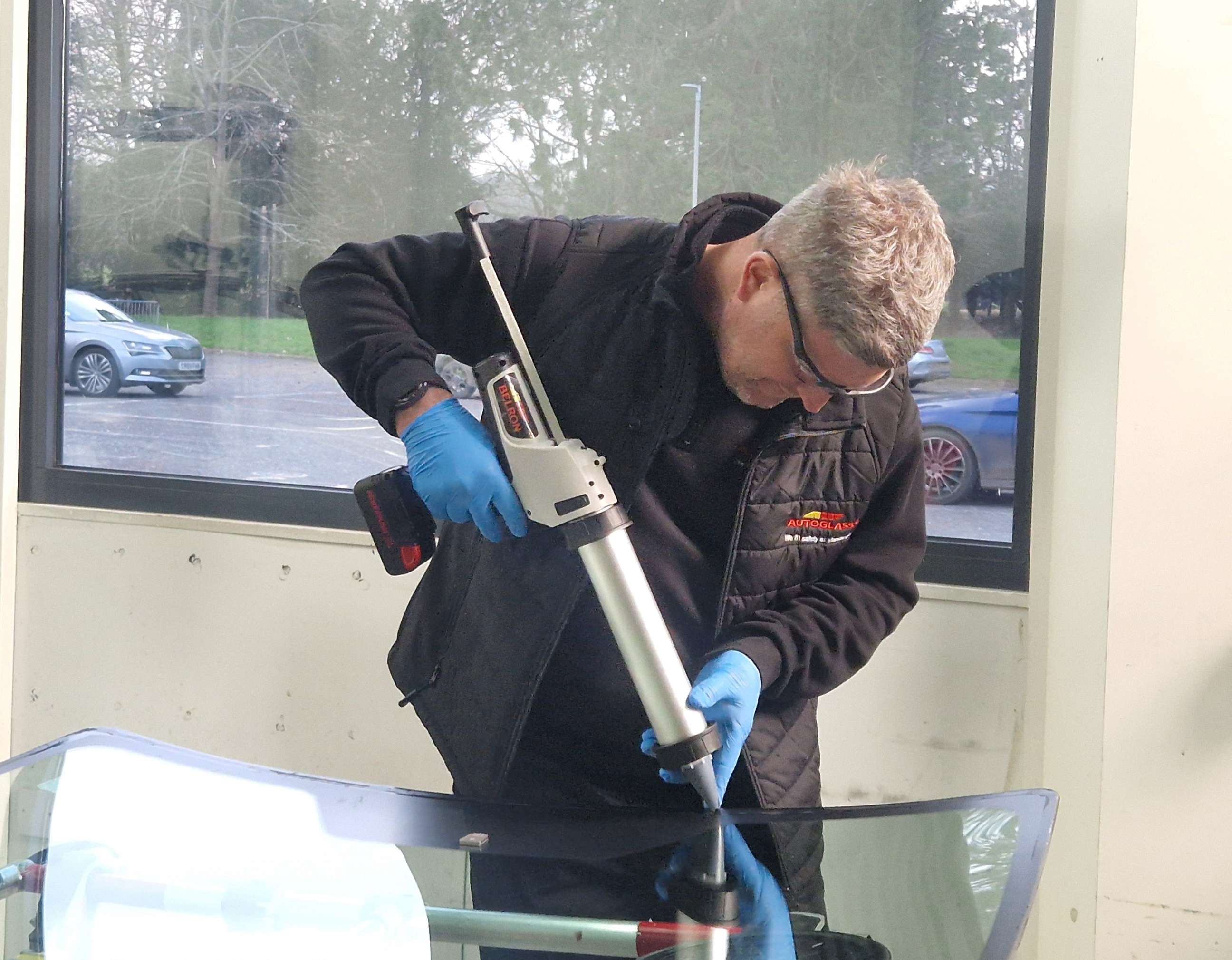
New, safer tools
To reduce common injuries like sprains and strains, and to make the role of the technician more accessible to a wider range of people, Belron’s Technical and Operations team developed a series of new tools designed to improve the safety and ease of work.
These include a redesigned glass trestle system and central brace for better height adjustment and handling of large glass. We trialled these innovations across our businesses during 2025, and started to roll them out in early 2026, reinforcing our commitment to safety, efficiency, and attracting a more diverse technician population.
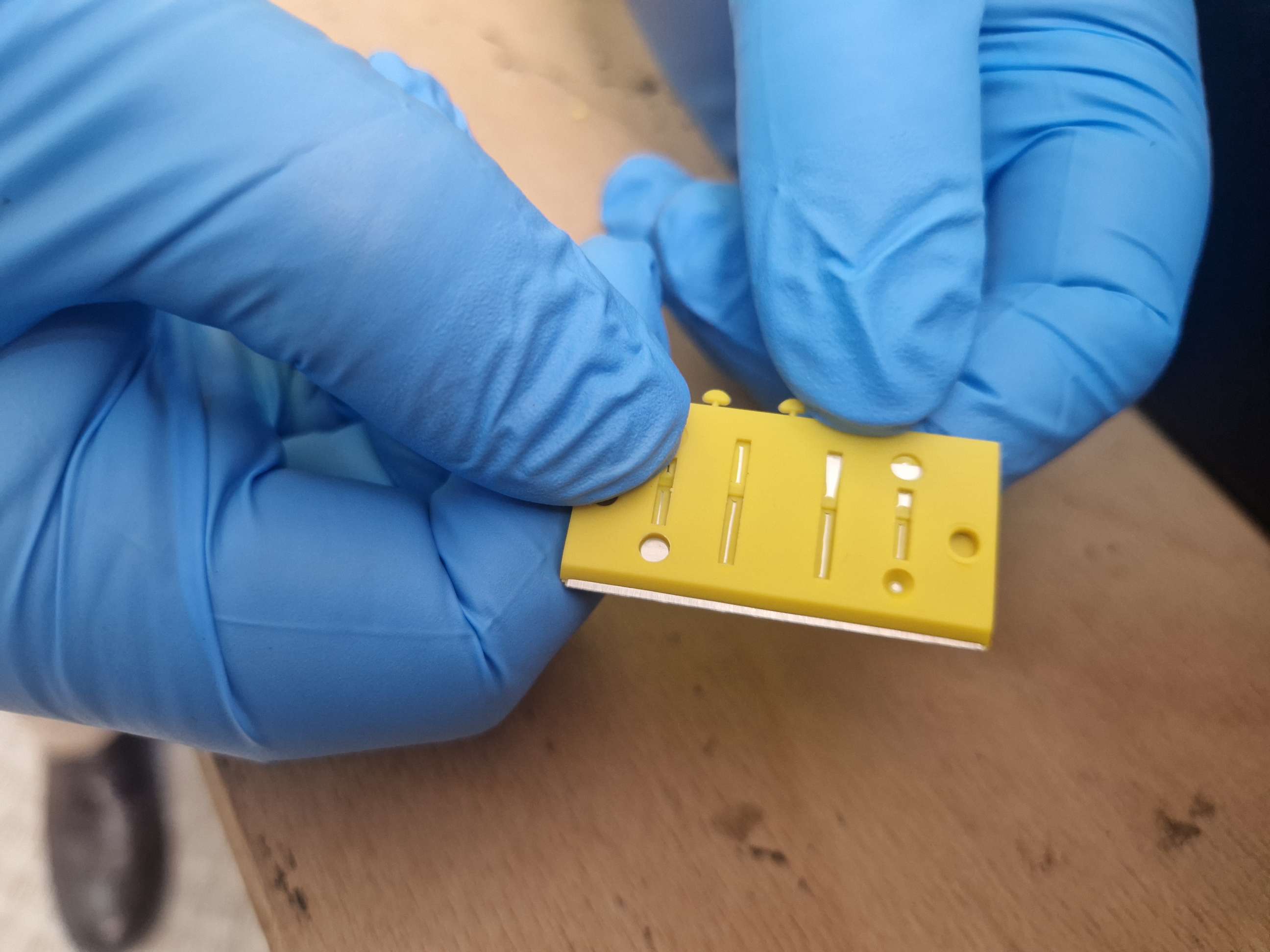
To reduce the risk of cuts and lacerations, we introduced the Safer Razor Blade (SRB). After successful trials, the SRB has now been rolled out globally in 17 countries and is already making a significant impact: lost time injuries (LTIs) from cuts and lacerations dropped by 44% between 2024 and 2025, and injuries linked to razor blades fell by 79%.
This initiative, alongside the planned introduction of peelable glass labels worldwide, reflects our commitment to provide safer tools and reduce reliance on sharp instruments.
Our Responsible Business Framework summarises our ambitions for doing the right thing
Climate change is a global emergency and we’re taking action to drive down our emissions.